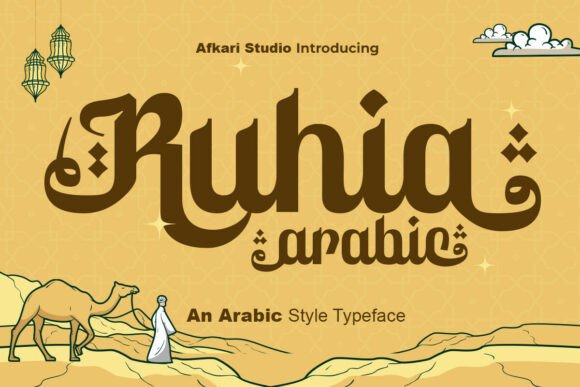
Ruhia Arabic Font for Authentic Craft Designs
As makers and small business owners, we know that typography is often the difference between a product that looks homemade and one that feels professionally curated. When designing physical goods or digital downloads, finding a typeface that carries cultural weight without sacrificing modern readability is a unique challenge. Ruhia Arabic offers a distinctive solution for creators looking to infuse their work with authentic Middle Eastern calligraphic influence while maintaining the clean lines necessary for contemporary display typography. This font bridges the gap between traditional artistry and commercial utility, making it an invaluable asset for stationery designers, label makers, and printable creators who want their work to resonate with emotional depth and visual elegance.
Elevating Handmade Labels and Packaging
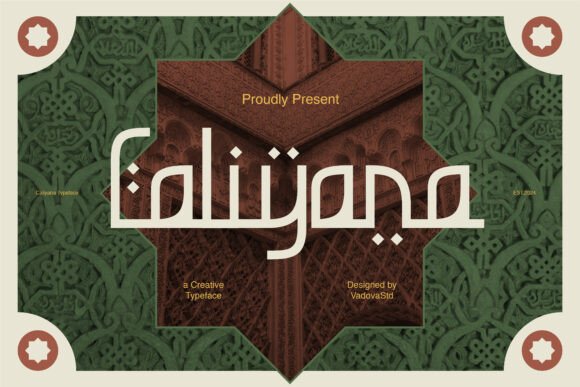
For those of us running candle businesses, skincare lines, or artisanal food shops, packaging is our silent salesperson. Ruhia Arabic excels in this space because its visual personality suggests heritage and craftsmanship. Unlike generic decorative fonts that can sometimes feel costume-like, this typeface captures an authentic Arabic visual character that respects the source material while functioning as a modern display font. When applied to product labels, the letterforms add a layer of perceived quality that justifies premium pricing.
Consider using Ruhia Arabic for the primary product name on a jar label or box. Its bold, expressive strokes hold up beautifully against textured papers and matte finishes. However, practical application requires attention to scale. Because the font features intricate details inspired by calligraphy, it performs best at larger sizes. For small ingredient lists or regulatory text, pair it with a clean sans serif font to ensure legibility. This contrast not only aids readability but also highlights the artistic nature of the main title. The result is packaging that feels intentional, culturally appreciative, and commercially viable for boutique brands.
Creating Impactful Wedding Stationery and Invitations
Wedding stationery is perhaps where the blend of tradition and modernity matters most. Couples often seek designs that honor their heritage while fitting into a contemporary aesthetic. Ruhia Arabic serves as a stunning header font for wedding welcome boards, seating charts, and invitation suites. Its distinctive style allows for bilingual designs where the Arabic script takes center stage without overwhelming the English text.
When designing templates for sale or custom client work, use this font for names, dates, and short phrases rather than body copy. Display fonts like Ruhia are designed to be seen, not read in long paragraphs. For a cohesive look, try font pairing strategies that balance its ornate nature. A minimalist serif font or a simple handwritten font works exceptionally well alongside it, providing a neutral backdrop that lets the Arabic-inspired lettering shine. This approach ensures that your invitations remain readable for all guests while delivering the specific cultural ambiance the couple desires. For digital downloads, this versatility makes your templates appealing to a broader demographic seeking authentic yet accessible design assets.
Practical Tips for Cutting Machines and Vinyl Projects
Crafters using Cricut or Silhouette machines need to consider the technical aspects of any creative font. Intricate display typography can sometimes present challenges when cut from vinyl or cardstock. Ruhia Arabic’s modern construction generally lends itself well to fabrication, but testing is essential. Before committing to a large batch of car decals, tumbler wraps, or wooden signs, always perform a test cut at your intended size.
- Simplify Complex Glyphs: If you encounter weeding issues with specific ligatures or swashes at small sizes, consider using the font primarily for larger focal points and switching to a simpler typeface for smaller accents.
- Check Spacing: Display fonts often have tight kerning. When cutting individual letters for wall art or signs, you may need to adjust tracking slightly to prevent delicate connections from breaking during transfer.
- Material Selection: This font’s bold presence pairs wonderfully with metallic vinyls, holographic materials, and thick cardstock. The weight of the letterforms supports these heavier materials better than thin scripts would.
- Mirror Text Carefully: Always double-check orientation before cutting, especially if utilizing stylistic alternates that might alter the visual flow of the word.
Versatility Across Digital Printables and Wall Art
Beyond physical crafts, Ruhia Arabic is a powerhouse for digital product creators. Whether you are designing printable wall art, planner covers, or social media graphics, this typeface adds immediate visual interest. In the saturated market of digital downloads, standing out requires more than just good composition; it requires distinctive typography. Using a premium font with genuine calligraphic roots signals to buyers that your design has been thoughtfully crafted.
For wall art, Ruhia Arabic can transform a simple quote or single word into a striking piece of decor. It works particularly well in monochromatic color schemes where the shape of the letters provides the texture. In social media graphics for brand identity, using this font consistently in headers or logos helps establish recognition. It conveys warmth and sophistication, traits that are highly sought after in lifestyle and wellness niches. Just remember that for web design and digital previews, ensuring the font renders correctly across devices is key, so always provide a fallback option or convert text to outlines in final deliverable files.
Understanding Commercial Licensing for Makers
One of the most critical aspects of using any creative font in a business context is understanding licensing. As sellers of physical products, templates, and digital downloads, we must ensure our tools are cleared for commercial use. Ruhia Arabic is positioned as a professional-grade typeface, but you should always verify the specific license included with your purchase.
Typically, commercial licenses cover the creation of end products like mugs, shirts, tote bags, and printed cards. However, restrictions often apply to redistributing the font file itself or using it in editable templates where the end user could extract the font. If you are selling Canva templates or other editable design assets, confirm whether the license permits embedding or if you must flatten the text. Respecting these terms protects your business and supports the type designer. Proper licensing also gives you peace of mind, knowing that your brand identity is built on a solid legal foundation. Always keep your license documentation handy, especially if you plan to scale your product line or sell through multiple platforms.
Maximizing Design Assets Through Stylistic Features
To truly get the most out of Ruhia Arabic, explore the OpenType features that often accompany high-quality display fonts. Ligatures, alternates, and swashes can dramatically change the feel of a design. A standard setting might look structured and formal, while activating discretionary ligatures could introduce a flowing, hand-drawn quality perfect for organic skincare labels or bohemian wedding invites.
Take time to type out sample words relevant to your niche to see how different characters interact. Some fonts include special ornaments or borders that complement the main typeface; checking for these bonus assets can save you from purchasing separate graphic elements. By mastering these nuances, you move beyond simply typing with a font to truly designing with it. This level of intentionality is what customers notice and value, transforming a basic craft project into a signature piece that defines your shop’s unique aesthetic.